Books ·
Capitalist Realism and The Structure of World History
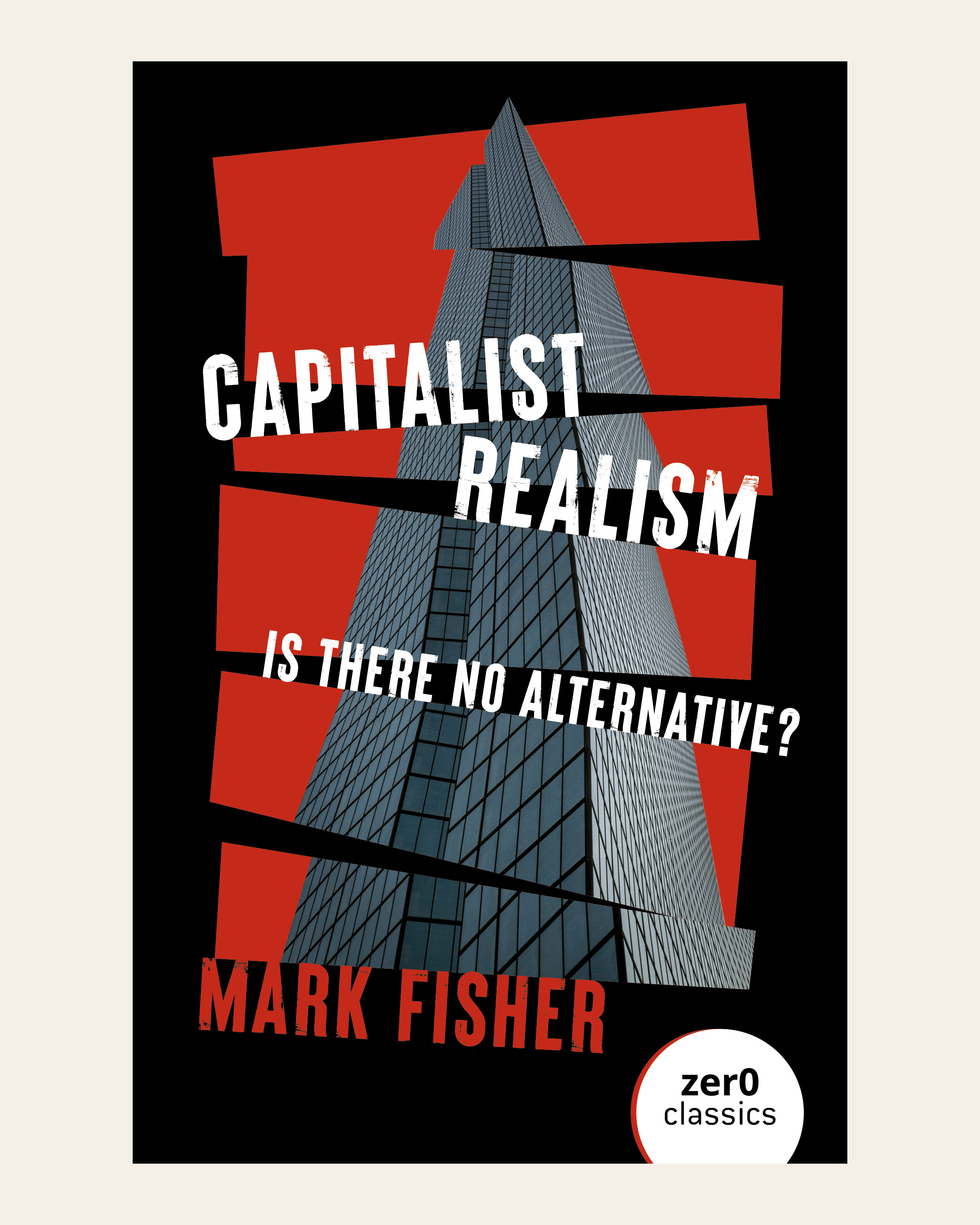
Even if humanity has no future, the coffee chains stay open. In Capitalist Realism, Mark Fisher notes how internment camps and franchise coffee bars coexist in Children of Men. Even a world where children are no longer born offers no guarantee capitalism will end. Humanity’s survival and a shop’s survival are separate matters.
Capitalist realism is more tenacious than the belief that capitalism is good. We can find the system unbearable and still struggle to imagine another. If only its supporters went to work, offices would be quieter. We complain about the company, go to work anyway, then spend our wages repairing the damage work does to body and mind. Working conditions barely change, but recovery takes commitment. Even rest has a to-do list.
Fisher’s diagnosis needs questioning too. If capitalism turns rebellion into merchandise and occupies the future, where do we begin? Saying all resistance gets absorbed can expose the system, but it can also discourage resistance. Something has gone wrong if a book of criticism leaves us admiring capitalism’s business skills.
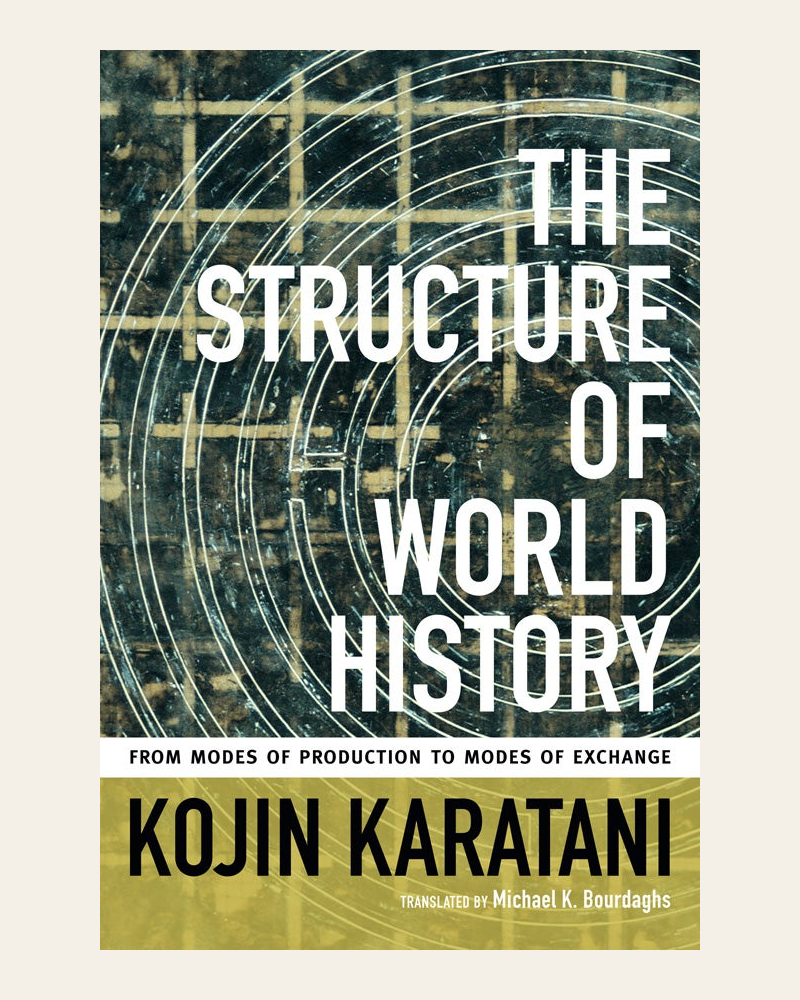
Kojin Karatani’s The Structure of World History brings other supporting forces into view. For Karatani, capital, nation and state complement one another. Markets produce inequality; the nation calls for community and equality; the state responds with redistribution and regulation. These measures sustain lives. Yet repairing market damage can also sustain the state’s ties to capital. We need the right to relief. We also need to ask why we keep needing it.
Karatani looks beyond this arrangement through mode of exchange D, combining freedom and reciprocity. A letter makes it feel sorted, but nobody has moved there yet. Where are the people, organizations and power to make D real? To avoid turning Fisher’s diagnosis into resignation or Karatani’s alternative into a diagram on display, we must ask: who can break this arrangement, and how can those who lose their livelihoods in the process hold out together?